
Marine and coastal ecosystem of Loreto Bay

Ecosystem: sea and land

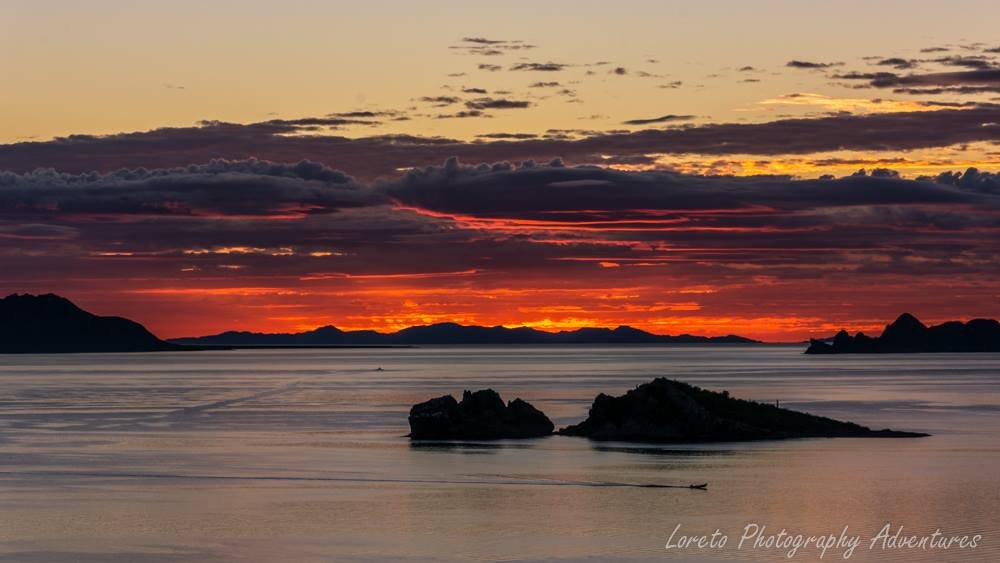
Sea, islands, desert coast and community form a single ecological system.

Loreto Bay is part of a larger ecosystem that includes the Gulf of California, its islands, the desert coast and the communities that live in the region. The blue whale is the emblematic species of this system, but its presence depends on a complex network of organisms and processes ranging from microscopic phytoplankton to large marine and terrestrial species.

At the base of the marine ecosystem is phytoplankton, composed of microscopic algae that float in the water column and perform photosynthesis. Thanks to sunlight and nutrients that rise from the depths, phytoplankton produces much of the planet’s oxygen and is the primary source of energy for marine life.

Krill and other zooplankton organisms feed on phytoplankton and, in turn, are preyed upon by numerous animals, including small fish, seabirds and whales. In the Gulf of California, krill is a key piece: its abundance in certain areas and seasons allows blue whales to find “hot spots” of feeding where they can engulf tons of prey in each dive.

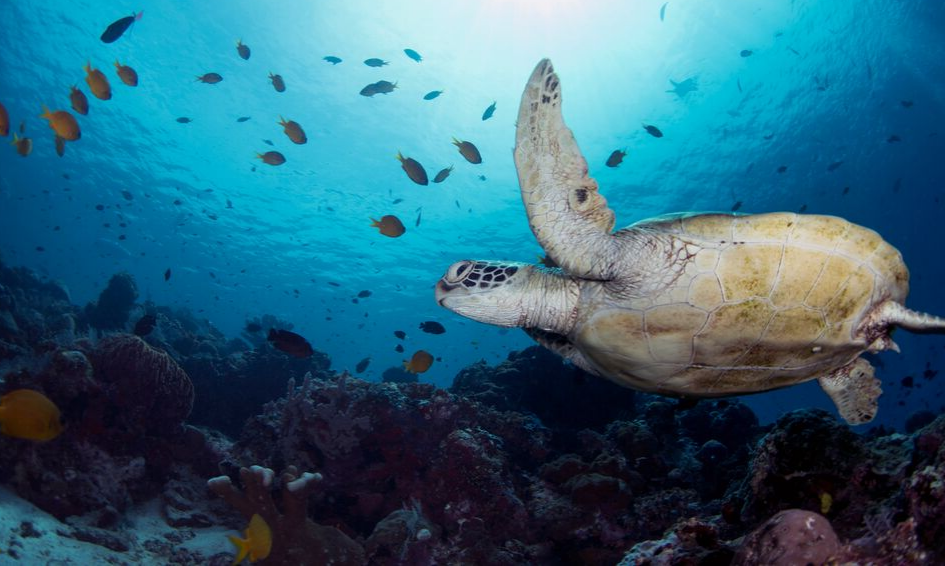
In addition to krill, the Gulf hosts a great diversity of species: pelagic fish such as sardines and anchovies, myctophids (lanternfish), sea turtles, sharks, rays and other cetaceans such as the gray whale, humpback whale and various dolphin species. Seabirds, such as the brown pelican, frigatebirds and gulls, also depend on this productivity to feed and breed on the islands and coasts of the National Park.

The coast surrounding Loreto Bay is dominated by the Baja California desert, one of the most biodiverse deserts in the world. Here grow giant cacti such as the cardón, the largest cactus on the planet, along with other species adapted to drought, such as chollas, ocotillos and wild palms in the oases.

This coastal desert is not disconnected from the sea: many terrestrial species depend on marine resources (for example, birds that feed on fish or carrion on the coast), and ocean nutrients influence the productivity of areas near the shore. In turn, the low density of human population and the limited land transformation help maintain an environment with low disturbance for marine and terrestrial wildlife.

The blue whale is the visible link in a web that begins with phytoplankton and passes through krill, fish, birds and human communities. When the ecosystem is healthy, there is more krill, more prey and, therefore, more chances for whales to find enough food to survive and reproduce.

Dr. Diane Gendron’s research has shown how the health of this ecosystem is linked to human practices. Passive Observation, for example, reduces disturbance to whales and allows them to continue feeding and moving with less stress. Likewise, care for the coast, responsible fisheries management and sustainable tourism contribute to making Loreto continue to be a refuge for the blue whale and for the biodiversity of the Gulf of California.

The species presented below are only a representative sample of this ecosystem: phytoplankton, krill, brown pelican and cardón cactus. Each plays a different but complementary role in maintaining the conditions that make blue whale life possible in Loreto Bay.
Featured species of the ecosystem

Marine species and seabirds

Gulf of California Krill

Gulf of California Krill (Euphausiacea)

El krill son pequeños crustáceos parecidos a camarones que forman grandes cardúmenes en el Golfo de California. Son la principal presa de la ballena azul en la región.

Ecological role: El krill conecta el fitoplancton con grandes depredadores como ballenas, aves marinas y peces. Su abundancia determina la capacidad del golfo para sostener a la ballena azul.

Conservation status: No evaluado a nivel de especie, pero clave para el ecosistema

Gulf of California Krill

Gulf of California Krill (Euphausiacea)

Krill are small shrimp-like crustaceans that form large swarms in the Gulf of California. They are the primary prey of the blue whale in the region.

Ecological role: Krill links phytoplankton to large predators such as whales, seabirds and fish. Its abundance determines the Gulf’s capacity to support the blue whale.

Conservation status: No evaluado a nivel de especie, pero clave para el ecosistema

Brown Pelican

Brown Pelican (Pelecanus occidentalis)

El pelícano pardo es un ave marina común en las costas del Golfo de California. Se reconoce por su gran bolsa gular y su vuelo rasante sobre el agua.

Ecological role: Se alimenta de peces pequeños y es indicador de la salud de las zonas costeras. Comparte el hábitat con las ballenas y otras especies marinas del Parque Nacional Bahía de Loreto.

Conservation status: Preocupación menor (según listas globales), pero dependiente de ecosistemas costeros sanos

Brown Pelican

Brown Pelican (Pelecanus occidentalis)

The brown pelican is a common seabird along the coasts of the Gulf of California. It is recognized by its large gular pouch and its low, gliding flight over the water.

Ecological role: It feeds on small fish and is an indicator of the health of coastal areas. It shares its habitat with whales and other marine species of Loreto Bay National Park.

Conservation status: Preocupación menor (según listas globales), pero dependiente de ecosistemas costeros sanos

Phytoplankton

Phytoplankton (Varias especies)

El fitoplancton son microscópicos organismos vegetales que flotan en la columna de agua y realizan fotosíntesis. Son la base de la cadena alimenticia marina en el Golfo de California.

Ecological role: El fitoplancton produce gran parte del oxígeno del planeta y es la fuente primaria de energía para el ecosistema marino. Su abundancia favorece el crecimiento de zooplancton y krill, presas clave de la ballena azul.

Conservation status: No evaluado a nivel de especie, pero esencial para el ecosistema

Phytoplankton

Phytoplankton (Varias especies)

Phytoplankton are microscopic plant-like organisms that float in the water column and perform photosynthesis. They form the base of the marine food web in the Gulf of California.

Ecological role: Phytoplankton produces much of the planet’s oxygen and is the primary source of energy for the marine ecosystem. Its abundance supports the growth of zooplankton and krill, key prey for the blue whale.

Conservation status: No evaluado a nivel de especie, pero esencial para el ecosistema

Terrestrial and coastal species

Mexican Giant Cardon

Mexican Giant Cardon (Pachycereus pringlei)

El cardón es la cactácea más grande del mundo y es característico del desierto de Baja California. Puede alcanzar más de 20 m de altura y vivir cientos de años.

Ecological role: Proporciona refugio y alimento a numerosas especies del desierto costero. Es parte del paisaje que rodea Bahía de Loreto y simboliza la unión entre desierto y mar.

Conservation status: No amenazado a nivel global, pero parte de ecosistemas desérticos frágiles

Mexican Giant Cardon

Mexican Giant Cardon (Pachycereus pringlei)

The cardón is the largest cactus in the world and is characteristic of the Baja California desert. It can reach more than 20 m in height and live for hundreds of years.

Ecological role: It provides shelter and food for numerous species of the coastal desert. It is part of the landscape surrounding Loreto Bay and symbolizes the connection between desert and sea.

Conservation status: No amenazado a nivel global, pero parte de ecosistemas desérticos frágiles